Position sensors play a critical role in modern engineering systems, enabling precise measurement and control across a wide range of applications. From industrial automation to robotics and automotive systems, these components ensure accuracy, efficiency, and safety in complex environments. For businesses looking to buy position sensors, understanding how they work and where they fit is essential before making an investment.
Position sensors are designed to detect the movement or displacement of an object and convert it into a readable signal. This signal can then be used by control systems to monitor or adjust operations in real time, making them indispensable in both manufacturing and advanced technology sectors.
What Are Position Sensors and How Do They Work?
At their core, position sensors measure linear or angular displacement. They translate physical movement into electrical signals, which can then be interpreted by a control system. These sensors can operate through various technologies, including potentiometric, inductive, capacitive, optical, and magnetic methods.
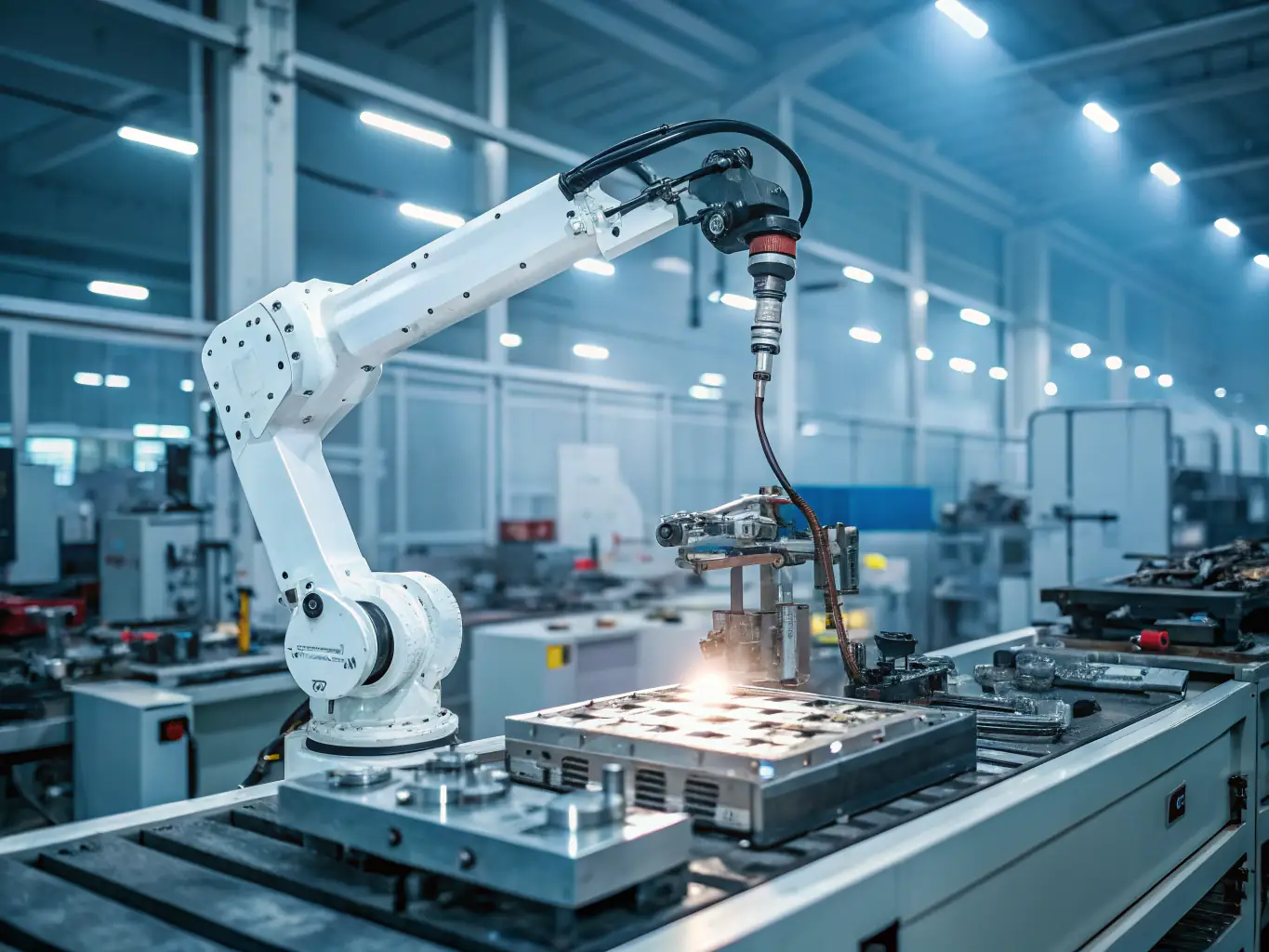
For example, in an automated production line, a position sensor may track the movement of a robotic arm, ensuring it places components with pinpoint accuracy. In automotive systems, they help monitor throttle position or suspension movement, contributing to both performance and safety.
The choice of sensor often depends on environmental conditions, required precision, and integration with existing systems.
Who Needs Position Sensors?
Position sensors are widely used across multiple industries, particularly where precision and repeatability are critical. Key sectors include:
- Manufacturing and industrial automation, where sensors support robotics, conveyor systems, and CNC machinery.
- Automotive and transport engineering, enabling accurate monitoring of components such as pedals, steering systems, and gear positions.
- Aerospace and defence, where reliability and accuracy are essential in navigation and control systems.
- Medical devices, supporting applications like imaging equipment and surgical robotics.
- Renewable energy systems, including wind turbines, where position tracking ensures optimal efficiency.
Organisations operating in these sectors often need to buy position sensors that meet strict performance and durability requirements, particularly in harsh or high-vibration environments.
Key Benefits of Using Position Sensors
The widespread adoption of position sensors is driven by their ability to enhance system performance and reliability. They offer several advantages:
- Improved accuracy and control in automated processes.
- Real-time feedback, enabling adaptive system responses.
- Reduced mechanical wear through precise movement monitoring.
- Enhanced safety by detecting misalignment or unexpected motion.
These benefits make them a valuable component in any system where movement needs to be measured or controlled with consistency.
Where to Buy Position Sensors and What to Consider
When sourcing position sensors, it is important to look beyond basic specifications. Factors such as measurement range, resolution, environmental resistance, and compatibility with existing systems should all be considered.
Suppliers offering specialist solutions, including multi-axis sensing technologies, can provide greater flexibility for complex applications. Businesses looking to buy position sensors should also evaluate technical support, customisation options, and compliance with industry standards.
Working with a trusted supplier ensures not only product quality but also long-term reliability and integration support.
Advances in Position Sensor Technology
Recent advancements in sensor technology have significantly expanded the capabilities of position sensing systems. Innovations include:
- Contactless sensing technologies, such as Hall-effect and magnetostrictive sensors, which reduce wear and extend lifespan.
- Miniaturisation, allowing sensors to be integrated into compact or space-constrained systems.
- Improved digital interfaces, enabling seamless integration with IoT and smart manufacturing platforms.
- Multi-axis sensing solutions, which can measure movement across multiple directions simultaneously, enhancing data accuracy and system insight.
These developments are particularly relevant for industries embracing Industry 4.0, where data-driven decision-making and automation are central to operations.
Choosing the Right Position Sensor for Your Application
Selecting the right sensor requires a clear understanding of your operational needs. Consider factors such as accuracy requirements, environmental conditions, and the type of motion being measured. For example, linear position sensors are ideal for tracking straight-line movement, while rotary sensors are better suited for angular measurements.
It is also important to assess long-term performance, including durability and maintenance needs. High-quality sensors may involve a greater initial investment but often deliver better reliability and reduced downtime over time.
By aligning your choice with application demands and future scalability, you can ensure optimal performance and return on investment.
Featured image credit: AI generated.