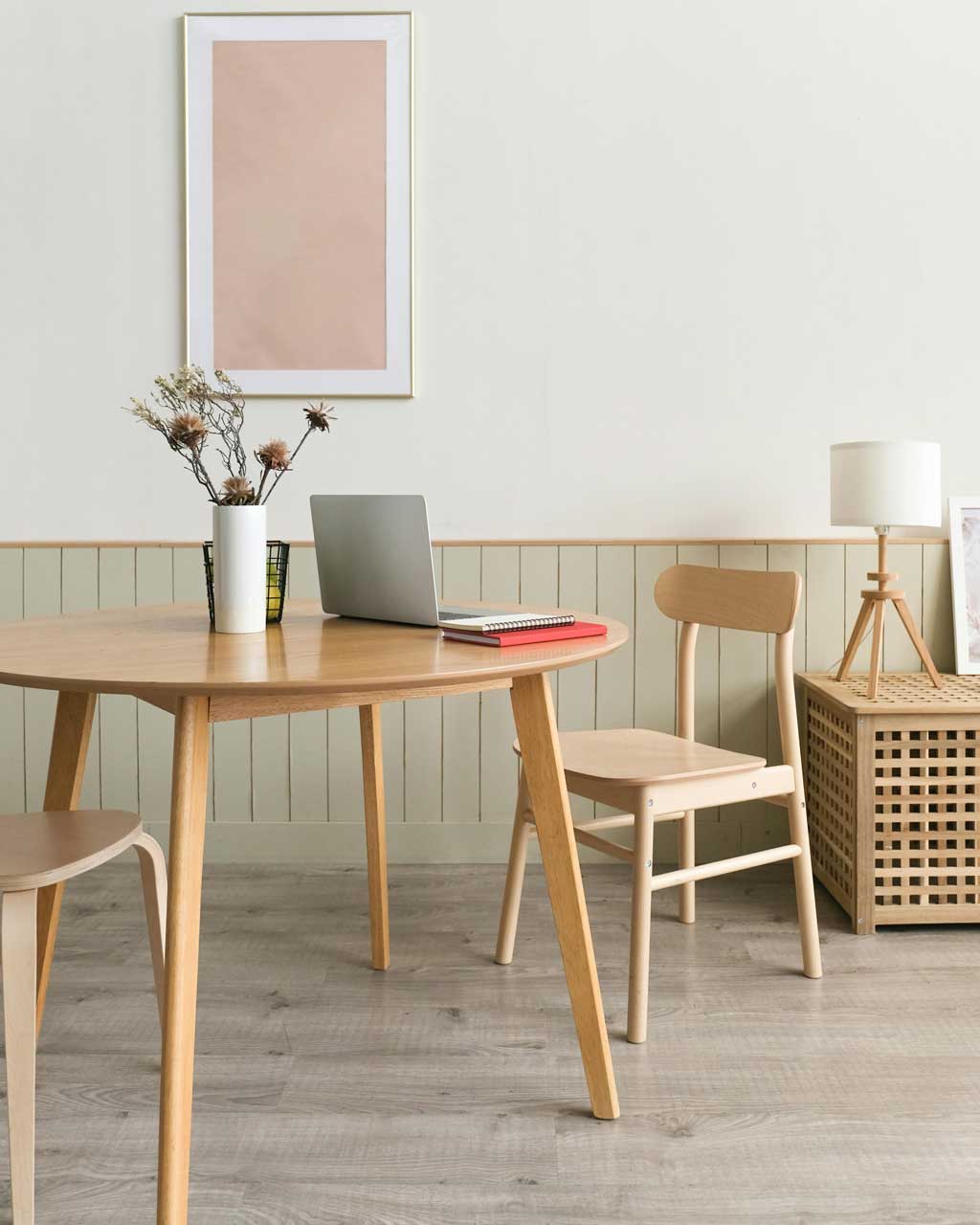
Modern flooring solutions are increasingly shaped by innovation, combining traditional aesthetics with advanced manufacturing techniques. While natural materials remain popular, engineered alternatives are often designed to overcome the limitations of their classic counterparts.
One standout example is engineered wood flooring, which has gained significant attention for its durability, versatility, and structural integrity. Unlike solid timber, engineered wood flooring is developed using layered construction methods that enhance performance without compromising on appearance.
What Is Engineered Wood Flooring?
At its core, engineered wood flooring is a composite material made from multiple layers of wood. The top layer, known as the wear layer, is crafted from real hardwood, giving it the authentic look and feel of solid wood. Beneath this surface, several layers of plywood or high-density fibreboard are bonded together in a cross-grain configuration.
This cross-layered structure is key to its engineering advantage. By aligning each layer perpendicular to the one above and below, the material gains enhanced dimensional stability. This means engineered wood flooring is far less prone to expansion and contraction when exposed to fluctuations in temperature and humidity—an issue commonly associated with traditional solid wood.
How Engineered Wood Flooring Is Made
The manufacturing process behind engineered wood flooring is where science and precision come into play. It begins with selecting high-quality hardwood for the top veneer, which is carefully cut to preserve its natural grain and strength. This layer is then bonded to a core made up of multiple plywood layers or HDF boards.
Each layer is glued under high pressure and heat, creating a stable and durable plank. Advanced adhesives are often used to ensure long-term bonding without compromising environmental standards. The boards are then finished with protective coatings, such as UV-cured lacquer or oil, to improve resistance against wear, moisture, and staining.
This layered construction is not random; it’s engineered to distribute stress evenly across the board. As a result, engineered wood flooring can withstand environmental changes that would typically cause solid wood to warp, cup, or crack.
Why Engineered Wood Flooring Outperforms Solid Wood
One of the biggest advantages of engineered wood flooring lies in its stability. Solid wood is a natural material that reacts significantly to moisture and temperature changes, expanding in humid conditions and shrinking when dry. This movement can lead to gaps, warping, or even structural damage over time.
Engineered wood flooring, however, is specifically designed to minimise these effects. The cross-layered core structure counteracts natural movement, making it suitable for areas where solid wood might struggle, such as kitchens, basements, or properties with underfloor heating systems.
Another key benefit is versatility in installation. Engineered boards can often be installed as floating floors, glued down, or even nailed, depending on the subfloor and requirements. This flexibility makes them a practical choice for both residential and commercial environments.
Additionally, engineered wood flooring uses less solid hardwood overall, making it a more resource-efficient option. The use of fast-growing materials in the core layers helps reduce environmental impact while still delivering the premium finish associated with real wood.
A Smart Choice for Modern Applications
From an engineering perspective, engineered wood flooring represents a refined solution to age-old material challenges. It combines the visual appeal of natural timber with a scientifically developed structure that enhances performance, durability, and adaptability.
As building standards evolve and demand grows for materials that balance aesthetics with functionality, engineered wood flooring continues to stand out as a forward-thinking option. Whether used in contemporary homes or commercial spaces, it delivers a reliable and visually appealing flooring solution grounded in smart design and material science.
Featured image credit: AI generated.
Featured image credit: Pexels.