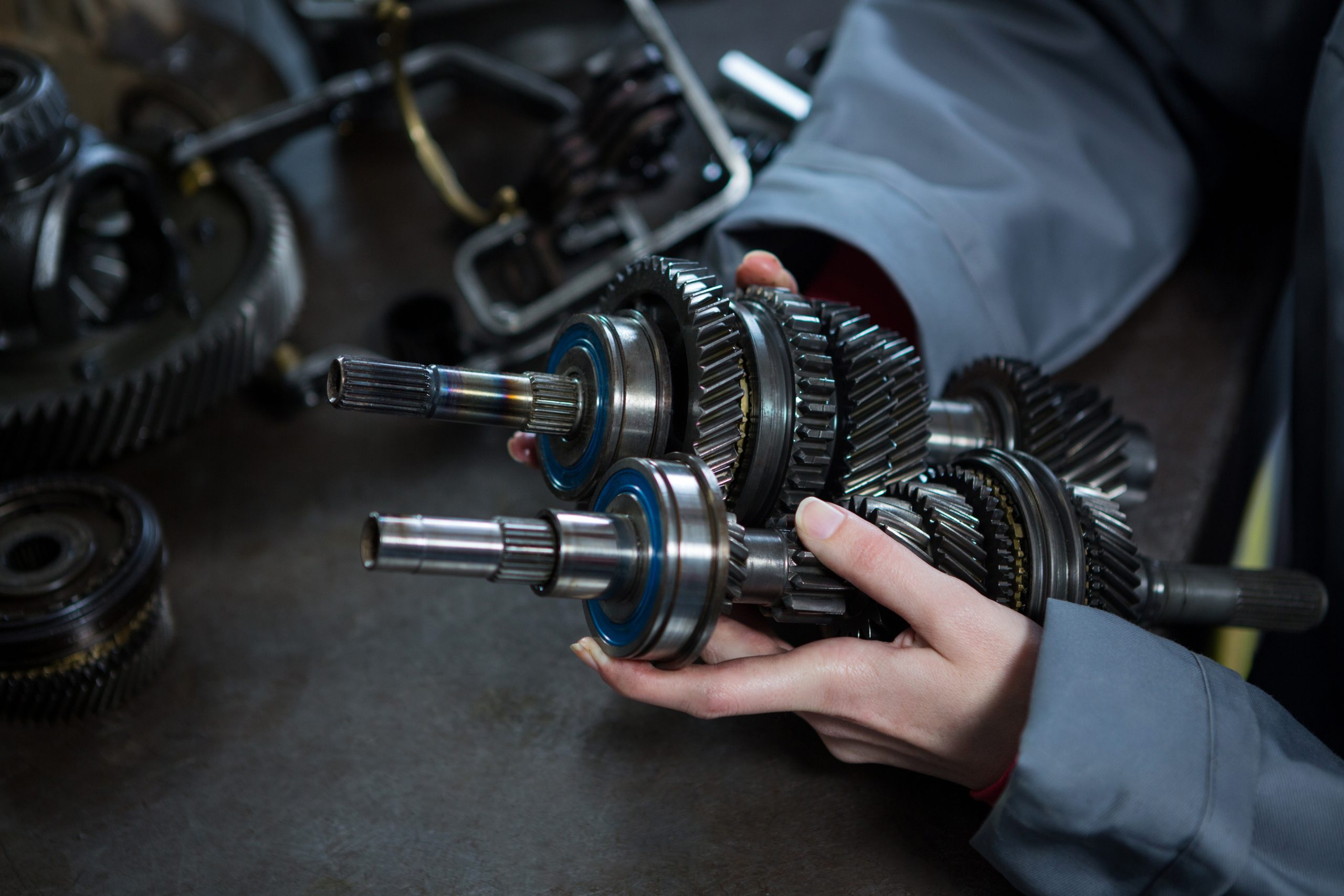
If you are looking for reliable component choices for rotating machinery, bearings play a critical role in keeping systems efficient, stable, and safe. In engineering applications, the right selection depends on more than just size or price, because performance is shaped by load type, speed, lubrication, contamination, and installation conditions.
Choosing the wrong bearing can lead to excess wear, vibration, noise, overheating, or premature failure. That is why it helps to understand the main bearing types and the environments they are best suited to.
Why Bearing Type Matters
Bearings reduce friction between moving parts and support both radial and axial loads. In practice, they also affect energy efficiency, service life, and maintenance requirements. A well-matched bearing can improve machine reliability, while a poor fit can increase downtime and replacement costs.
Different applications place different demands on components. A high-speed motor will need a different solution from a heavy-duty conveyor or a slow-moving industrial gearbox. Understanding the operating conditions is the first step to narrowing down the right choice.
Ball Bearings For General Purpose Use
Ball bearings are one of the most common choices in industrial and mechanical systems. They are designed to handle moderate radial loads and, depending on the design, some axial load as well. Because they create low friction, they are often used where speed and efficiency are priorities.
They are a strong option for electric motors, small gear assemblies, fans, and general machinery. Their relatively simple design makes them versatile, but they are not always ideal for extremely heavy loads or severe shock conditions. For many standard applications, though, ball bearings offer a dependable balance of cost, speed, and performance.
Roller Bearings For Heavier Loads
Roller bearings use cylindrical, tapered, or spherical rollers instead of balls, which increases the contact area between moving parts. That allows them to handle heavier loads more effectively. They are especially useful in applications where durability matters more than compact size.
Tapered roller bearings are often selected where combined radial and axial loads are present. Spherical roller bearings are useful when misalignment is a concern, while cylindrical roller bearings suit high radial load applications. In demanding industrial settings, roller bearings are often chosen for their strength and load-carrying capability.
Plain Bearings For Simple Motion
Plain bearings, sometimes called bushings, do not use rolling elements. Instead, they rely on a sliding surface between the shaft and the bearing material. This makes them suitable for simple, compact, or low-speed applications where noise reduction and cost efficiency are important.
They can perform well in dirty environments and can handle shock loads effectively when correctly specified. However, they usually generate more friction than rolling-element designs and may need more frequent lubrication. That makes them useful in certain agricultural, construction, and general-purpose mechanical systems.
How To Choose The Right Bearing
The best bearing choice depends on the full operating picture, not just one specification. Start by identifying the load direction and size, then consider speed, alignment, duty cycle, temperature, and exposure to dust or moisture. Lubrication method and mounting space also matter.
For example, high-speed equipment often benefits from ball bearings, while heavy industrial machinery may need roller bearings. If the application involves simple movement and limited rotation, plain bearings can be practical. In many cases, the best choice comes down to balancing performance, maintenance, and total lifecycle cost.
Bearing Selection In Real Applications
It helps to think in terms of the machine’s job. A conveyor system may prioritise load capacity and long service life. A motor may need low friction and quiet running. A pump may need resistance to contamination and stable performance under continuous operation.
This is why engineers rarely choose bearings based on type alone. They compare technical requirements, operating environment, and maintenance expectations before making a final decision. The right solution is often the one that delivers the most reliable performance over time, not just the lowest upfront cost.
Final Considerations For Engineers
Bearing selection is a small decision with a major impact on machine performance. The right type can improve efficiency, reduce wear, and extend service intervals, while the wrong one can create ongoing maintenance issues.
Featured image credit: AI generated.